SEO is not a buzzword, it is the foundation of any website meant to be found. What is usually missing is time for elaborate strategy. These five measures are deliberately simple, fit into one afternoon and have a measurable effect.
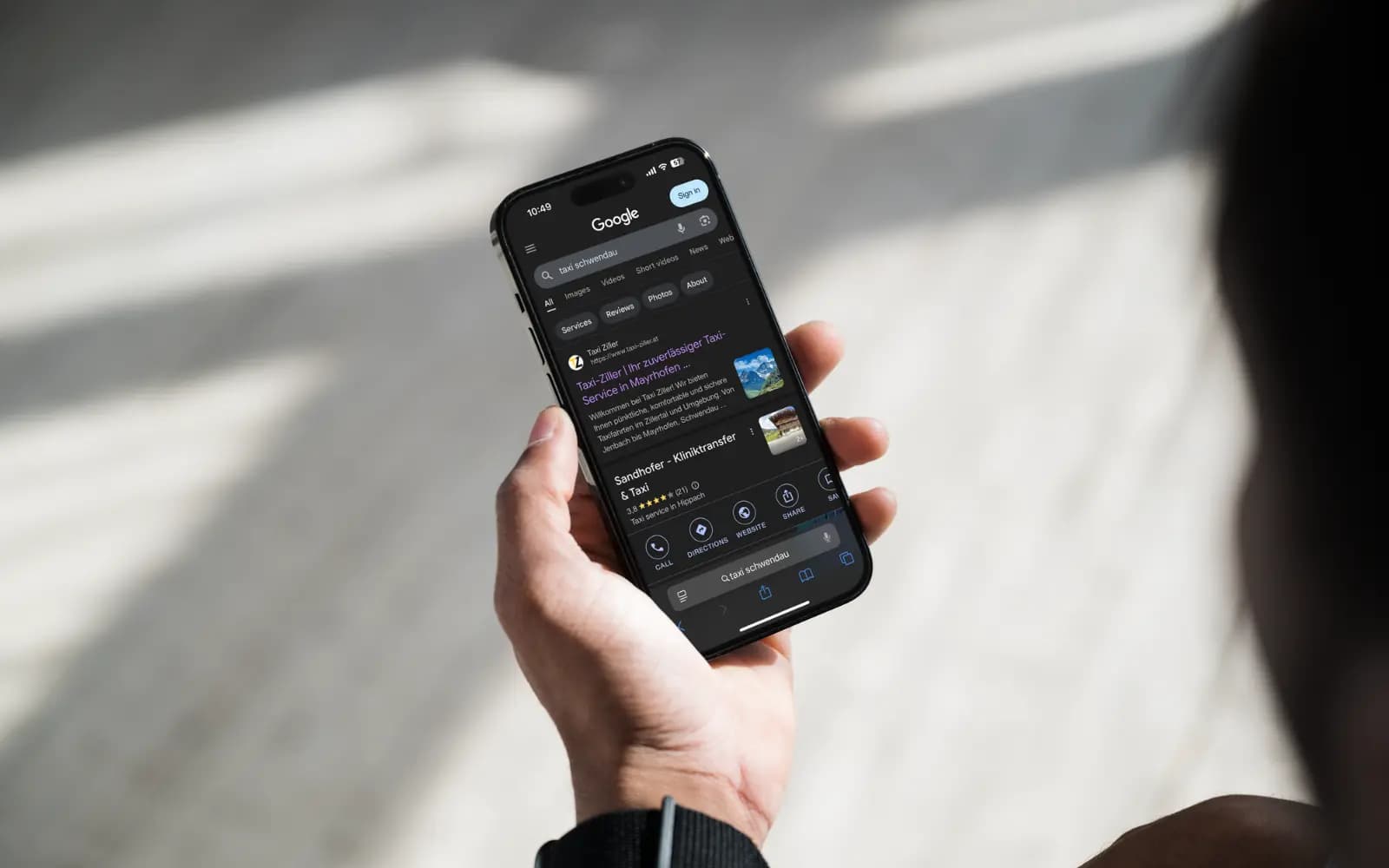
1. Optimise meta titles and descriptions
The meta title and description are the invitation to your page. They help decide whether anyone clicks. The title is one of the most important on page elements and should carry the main keyword early. Under 60 characters it stays fully visible in Google.
Click through rate: the ratio of clicks on an element to the number of times it was shown. A better title lifts it without the ranking having to change at all.
The meta description supplies the content preview. Google does not always show it, because it often generates its own snippet. When it does show, it helps decide the click.
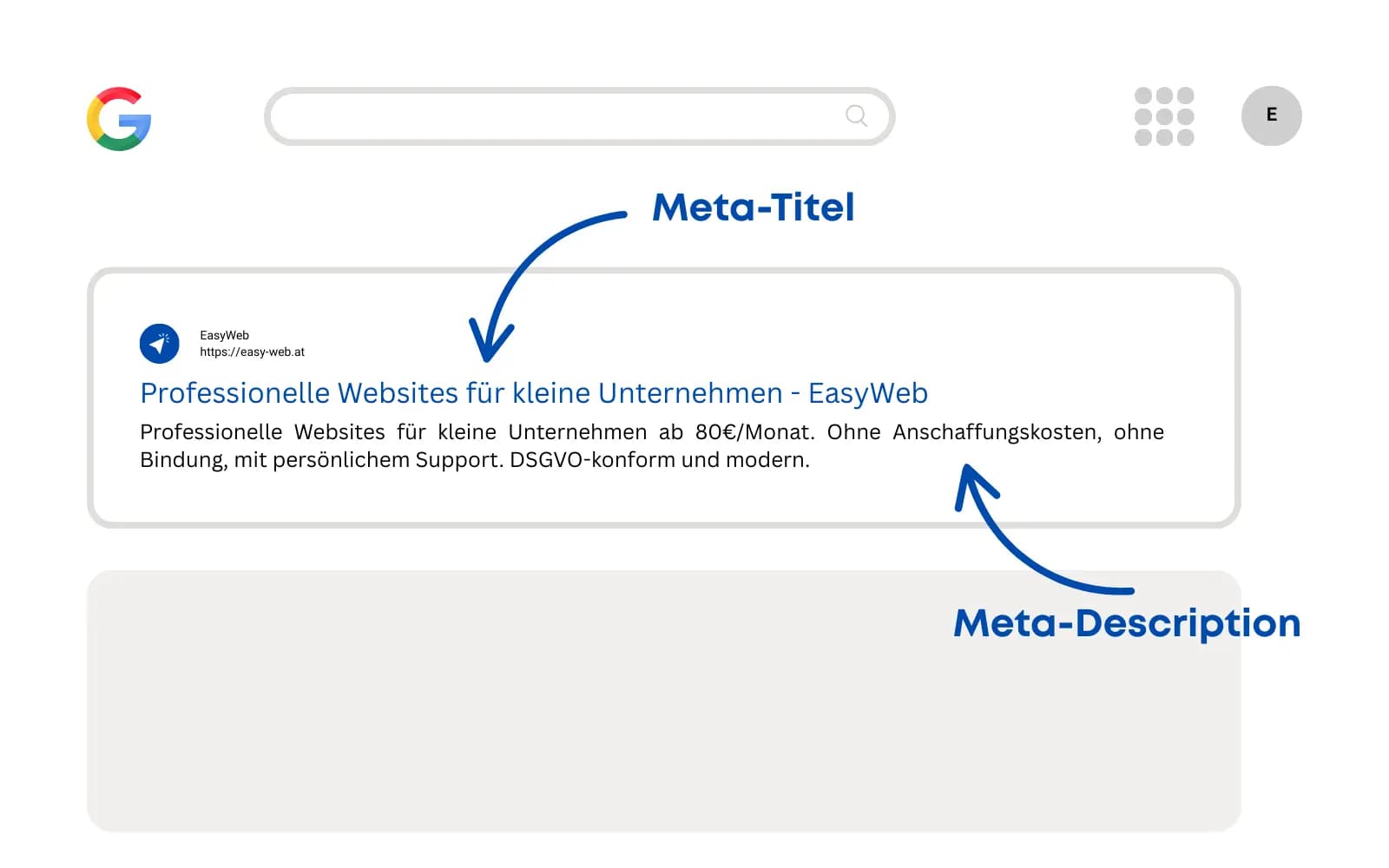
Good descriptions run 150 to 155 characters, are written actively and ideally close on a concrete prompt.
2. Refresh existing content
Search engines favour current content. Pages that get revised regularly read as more relevant. Even well ranked articles lose visibility after a few months if they are left standing.
- Audit what exists: find posts with high potential but falling traffic.
- Update: add new facts, figures and developments.
- Revisit keywords: align them with current search behaviour.
- Improve structure: sharpen headings and paragraphs for readability.
- Add visuals: new images, infographics or short video.
Put a fixed date in the calendar for content upkeep, every six to twelve months. Without the entry it does not happen.
3. Use long tail keywords
Quick wins rarely come from the fiercely contested terms. They come from the longer, specific queries with less competition, where the odds of a good position are considerably better.
Start with focused research via Google Keyword Planner, SEMrush or Ubersuggest and look for terms with moderate volume and low competition. Then check they genuinely match your offering, otherwise they pull in the wrong visitors. Work the terms organically into headings, body copy, meta tags and image descriptions without tipping into keyword stuffing.
4. Get new content indexed faster
The sooner new content is indexed, the sooner it can appear in results. On time sensitive topics that decides visibility.
Use indexing routes such as IndexNow or the Google Indexing API to submit new and updated pages for crawling immediately, rather than waiting for the next automatic cycle. Combined with good internal linking the content is not only found faster but also placed better in the context of your existing pages.
5. Improve structure and internal linking
Logical navigation makes crawling easier and gets content found faster. At the same time visitors benefit from clear guidance, which shows up in time on page and conversion rate.
- Declutter menus: keep them as simple as possible.
- Build categories: group what belongs together.
- Link internally: connect pages along their logic.
- Four clicks as the limit: every important page should be reachable in at most four steps.
- Look at the traffic: use analytics to see what performs, where people leave and what stays unused.
- Adjust: refine navigation and links based on the data.
In closing
From content refreshes through targeted keywords to a clear structure: the point is not to do everything at once but to keep turning small screws that add up.
This is exactly where EasyWeb comes in: ongoing SEO care is part of the monthly price, so the site is not just built once but kept alive.
Read on
- Getting a website built in Tyrol, required pages and local SEO.
- What does a website cost in 2026?, prices for SMEs in Austria.
- SEO care at visualy, when it should go beyond quick wins.